Thursday, February 18, 2016

13 Reasons "Harry Potter And The Prisoner Of Azkaban" Is Obviously The Best

It’s time for us to have a serious discussion, Potterheads.

Harry Potter fans, we need to have a serious discussion about something.

Harry Potter fans, we need to have a serious discussion about something.

Harry Potter and the Prisoner of Azkaban is the best Harry Potter book of all time. ALL TIME.

Warner Bros. / Twitter: @Marximillion_

Firstly, while Philosopher's Stone and Chamber of Secrets are obviously great, they undeniably still feel like children's books.

Firstly, while Philosopher's Stone and Chamber of Secrets are obviously great, they undeniably still feel like children's books.

Which is fine, obviously. It's largely acknowledged that the tone of the Harry Potter series matures with its characters. But Prisoner of Azkaban is where it starts to ~really~ mature and get more complex.

Warner Bros.

And it does it all without even a ~hint~ of the series' main antagonist.

And it does it all without even a ~hint~ of the series' main antagonist.

After the tragic loss of one of his Horcruxes at the end of the last book, Voldemort is laying low for a while. That means the major antagonist in Prisoner of Azkaban is Sirius, a man who not only turns out to be innocent, but also ends up being a father figure and confidante to Harry. And if that's not a major plot twist, I don't know what is.

Warner Bros. / BuzzFeed


View Entire List ›

Meet The Women Behind Nigeria's Most Subversive Novellas

Photographer Glenna Gordon spent months capturing female Muslim writers whose books are among the dozens of cheap, pamphlet-style novels popular across markets in northern Nigeria.


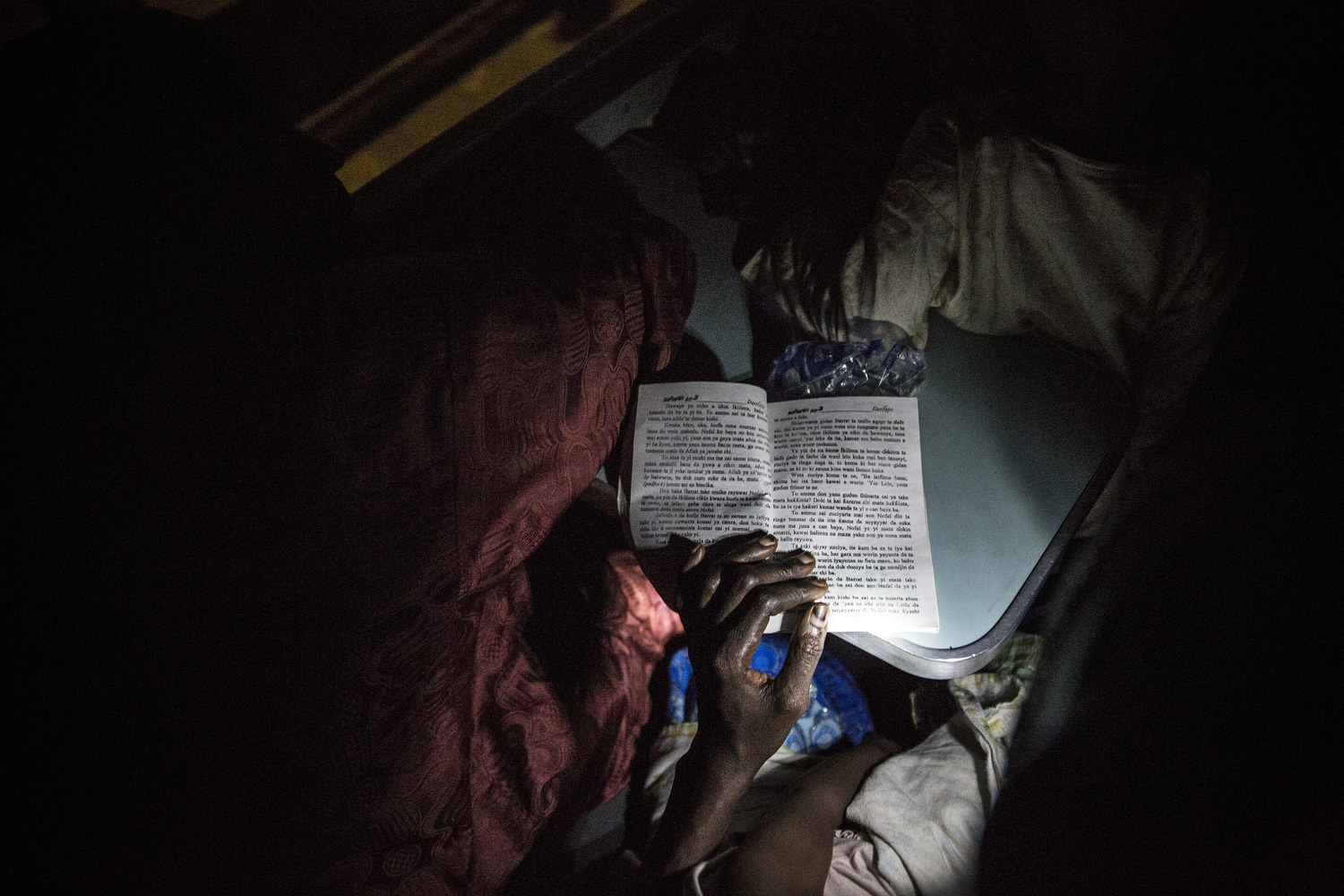
A woman reads a Hausa romance novel using the flashlight on her cell phone as a train traveled through Nigeria.

Glenna Gordon

Known as “littattafan soyayya” – meaning “literature of love” in northern Nigeria’s Hausa language - the plots all revolve around love and marriage. But not all the stories are Mills and Boons-style fantasies: some are subversive or political, tackling subjects like child marriage and trafficking.

The movement was born in the northern capital of Kano in 1990, when author Balaraba Ramat Yakubu published Sin Is A Puppy That Follows You Home. The novel was based on her experiences of being a child bride before being divorced and destitute by the time she was 19 years old.


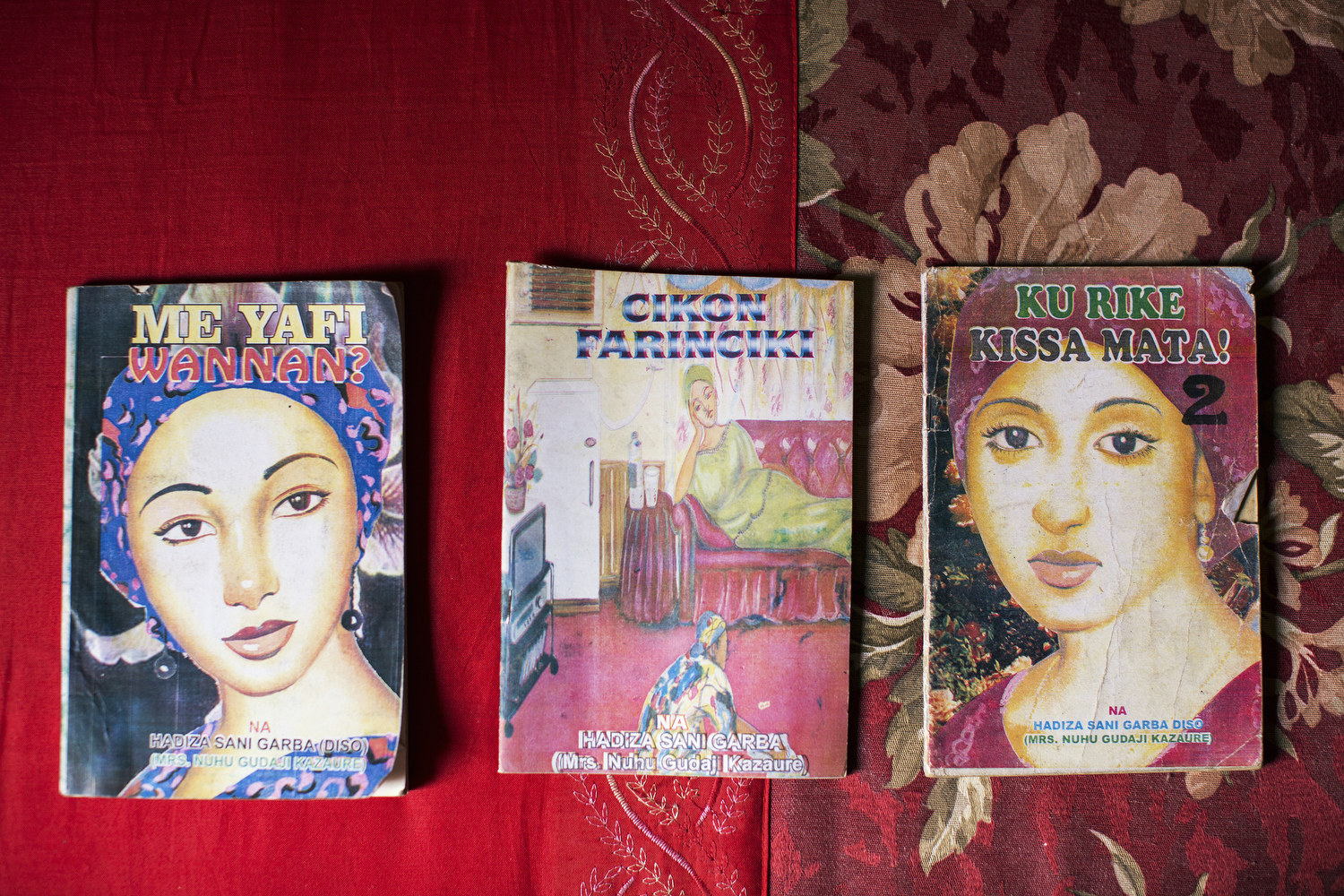
Book covers by a popular author with drawings in a style typical of the genre.

Glenna Gordon

Gender disparity is high across all of Nigeria, but particularly in the Muslim-majority north, and many of the authors struggled to get an education. A minority are encouraged to pursue writing by their families. But all face public censorship. In 2007, then-governor of Kano, Mallam Ibrahim Shekarau, publicly burned the novels, which he claimed were “pornographic” and out of line with northern Nigeria’s traditional values.


Khadija Gudaji works on her novel while laying in bed at her home in Kano, Northern Nigeria.

Glenna Gordon

In her book titled Diagram of the Heart – named after one of the pocket-sized novels – Gordon shows another side to a region known to the outside world primarily for attacks from Islamist militants Boko Haram.

Gordon, who has also tackled subjects such as the mass abduction of 276 schoolgirls by Boko Haram, also documents the weddings and glamour that accompany life in northern Nigeria, which revolves around family ties.


A bride at a wedding in Kano, Northern Nigeria, stands apart from the guests. Male guests and female guests seldom mix in the conservative Islamic norther part of Nigeria.

Glenna Gordon


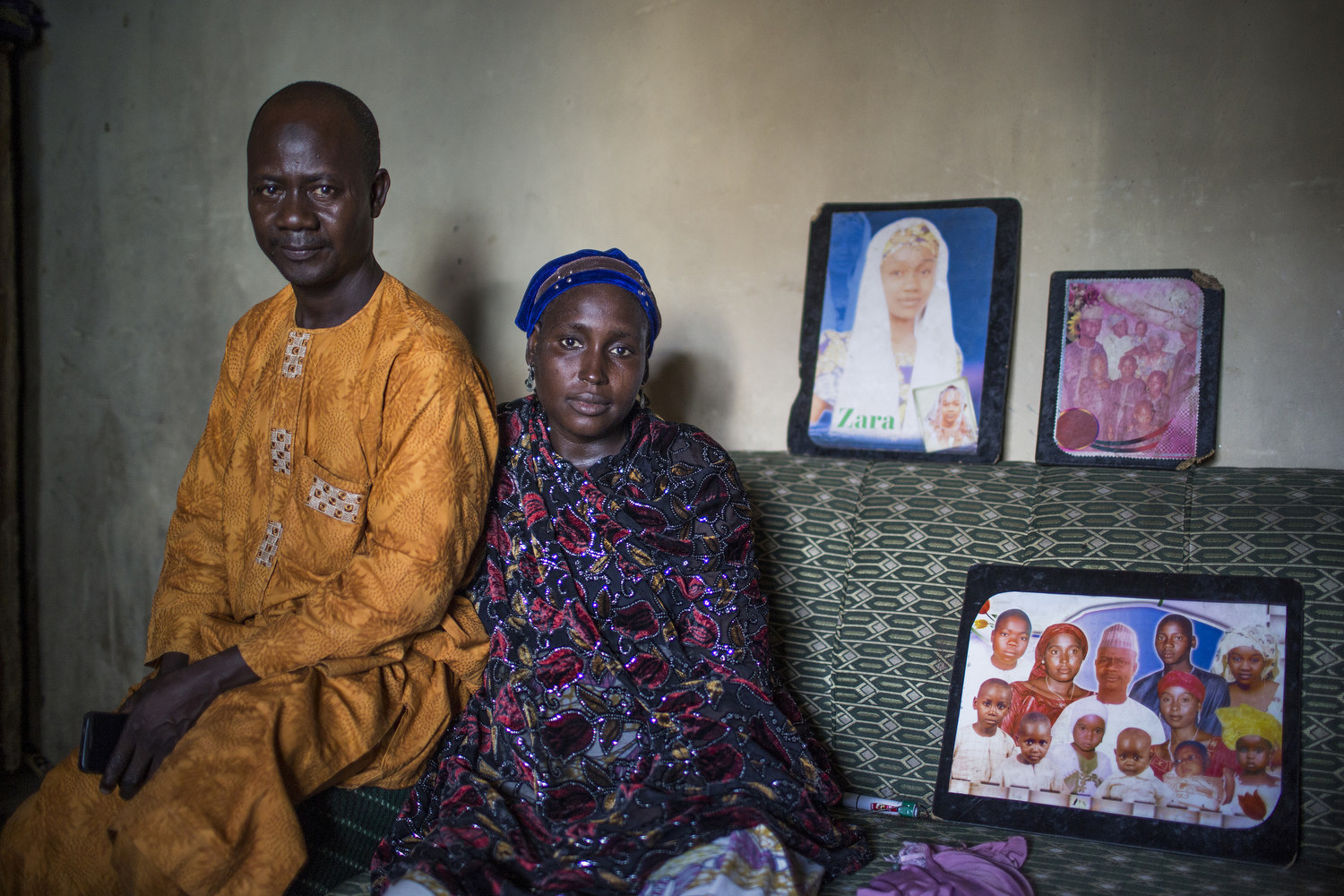
Sani with his first wife, though his second wife is pictured in their family portrait. Many of the books are about struggles between co wives.

Glenna Gordon


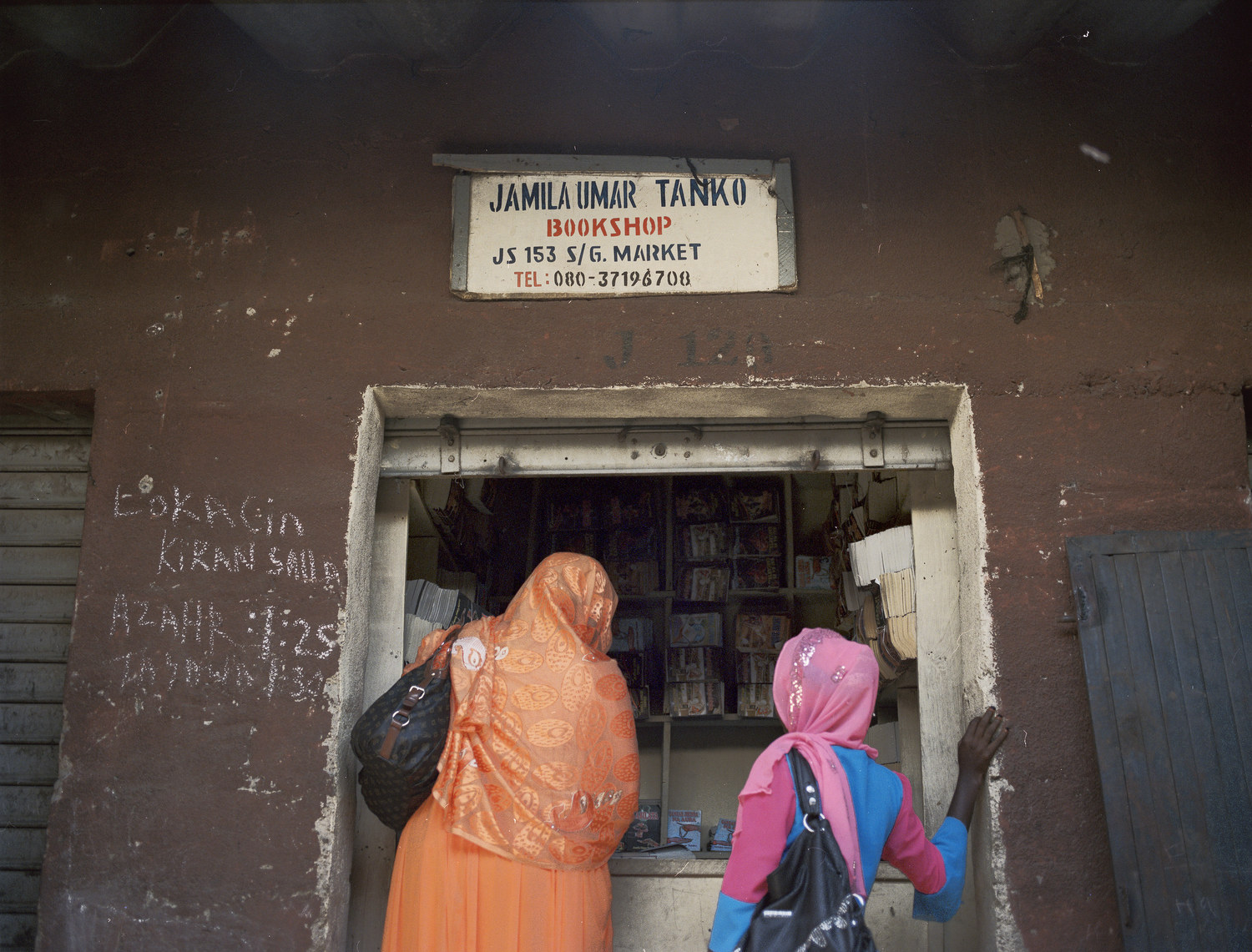
Women buy novels at a shop run by Jamila Umar, a poplar writer who opened her own stall at the market in Kano.

Glenna Gordon


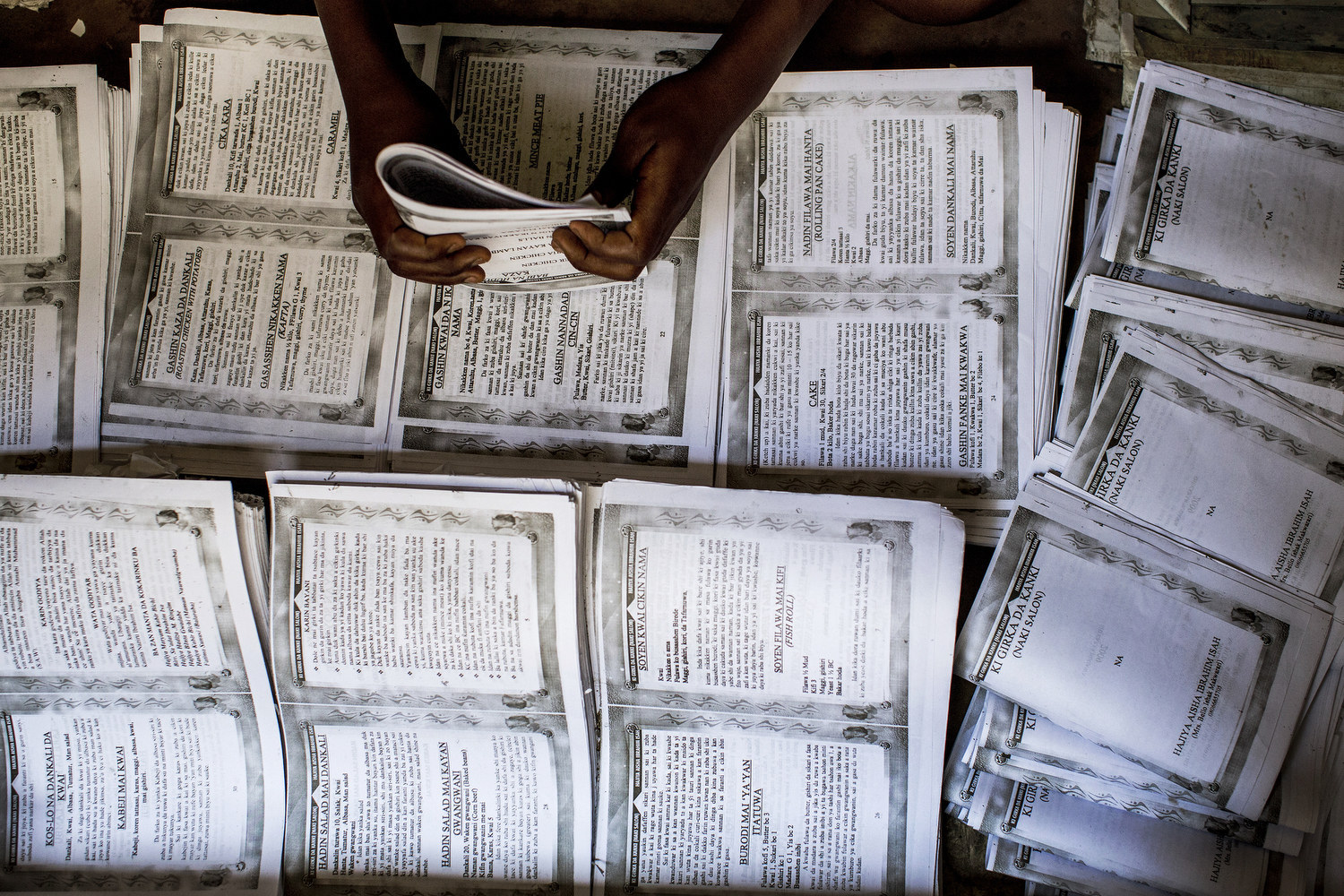
Novels and other books are put together by hand.

Glenna Gordon


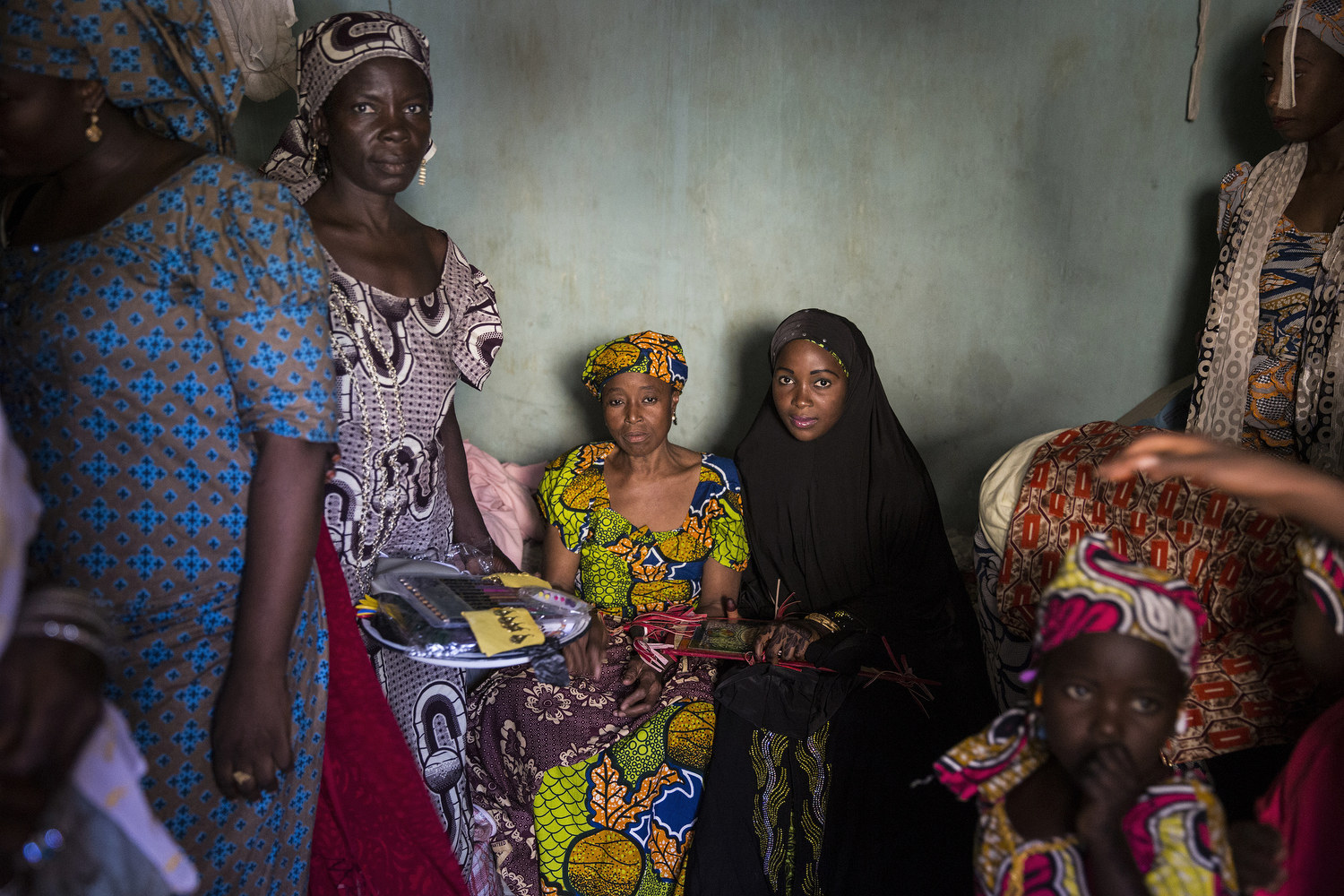
Maryan Nazifi, a young bride getting married, poses for a photo with her mother.

Glenna Gordon


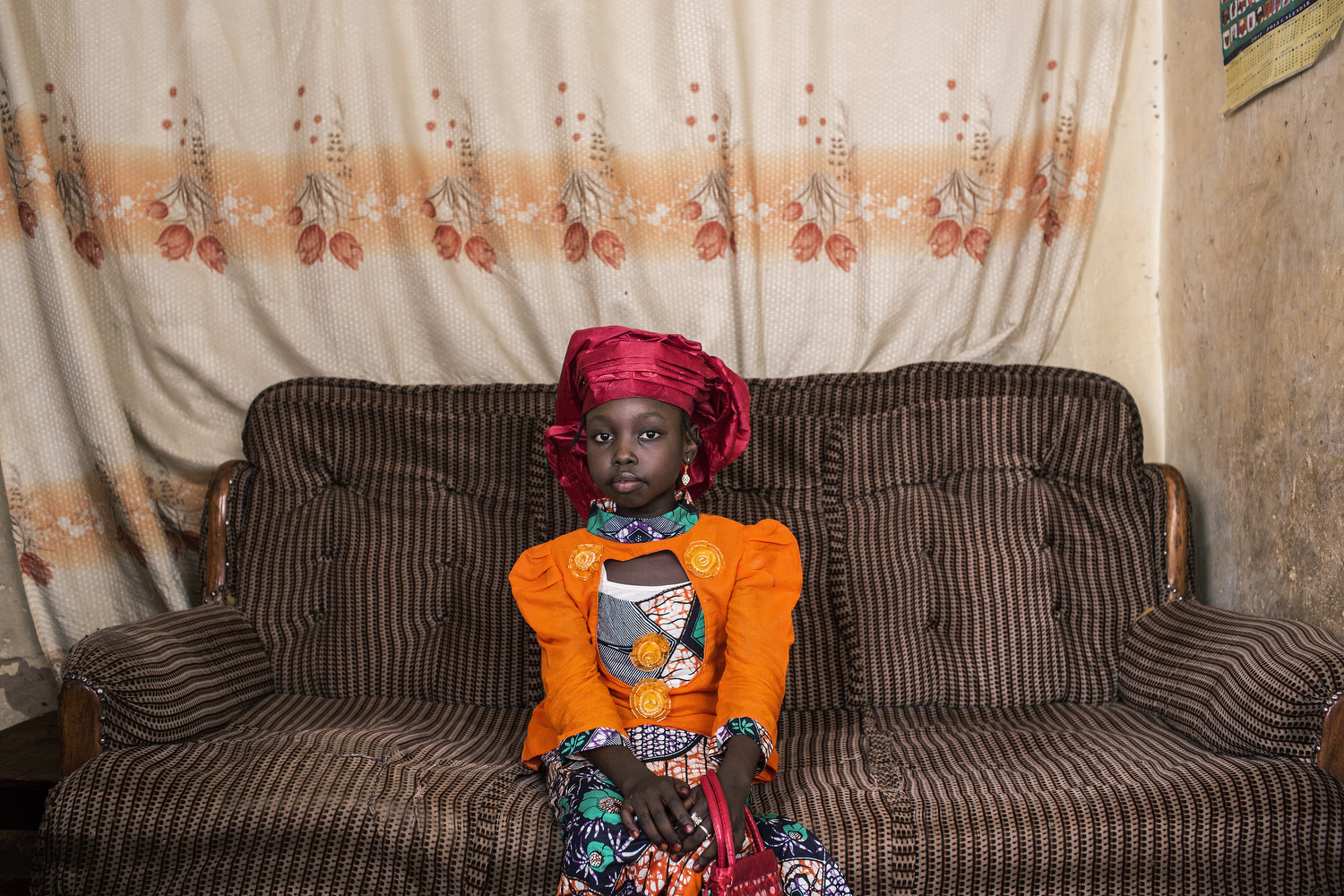
A young wedding guest, all dressed up.

Glenna Gordon


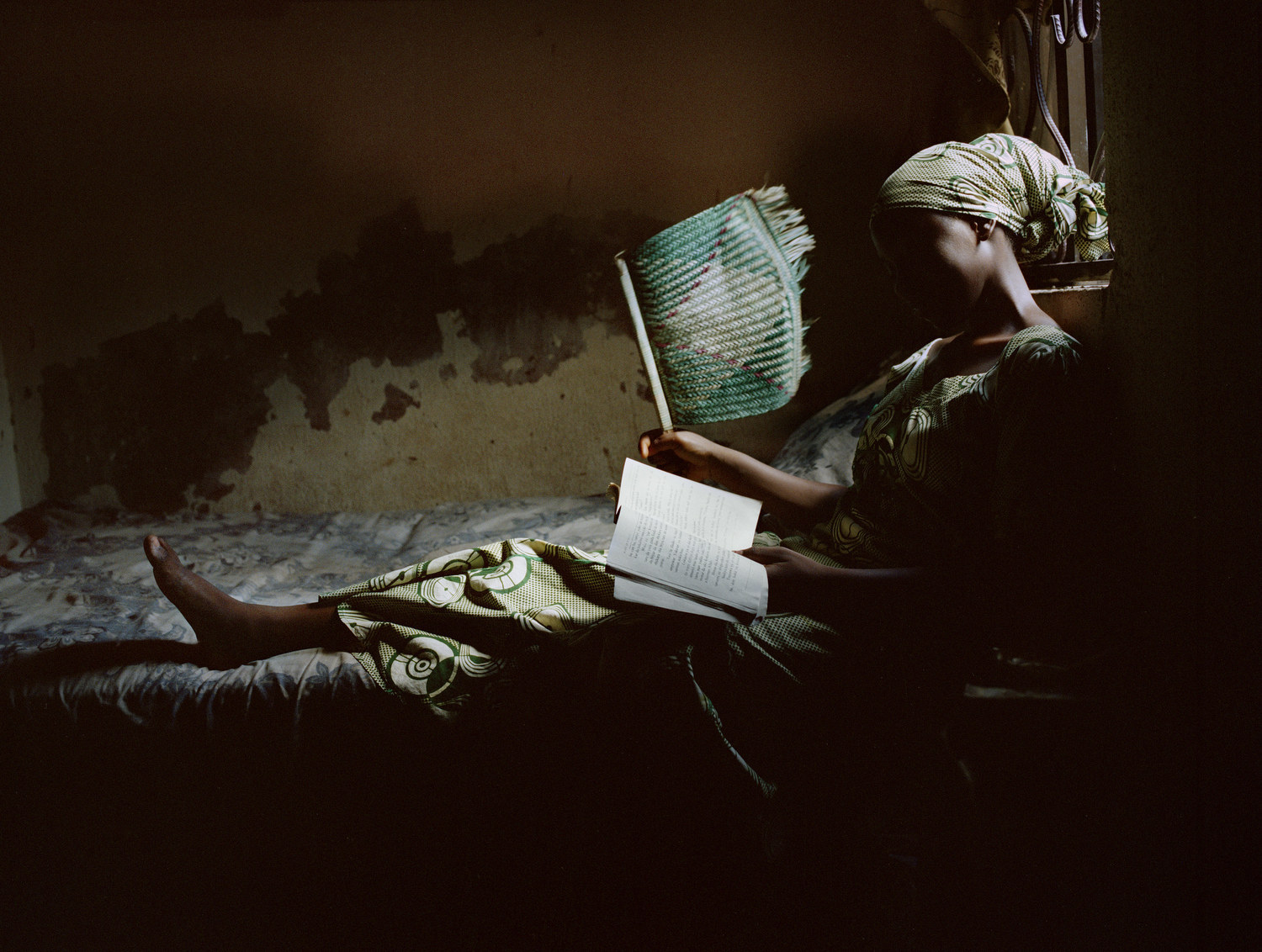
Firdausy El-yakub reads a romance novel in her bedroom in Kano, Northern Nigeria. Her university has been on strike for weeks, so she spends most of her days reading and dreams of one day becoming a novelist too. Her father allows her to go to the market and buy new books often.

Glenna Gordon


Rabi Tale in the courtyard of the Ministry of Information where she has a day job. Tale is a romance novelist in Nigeria.

Glenna Gordon


Should You Go To Hogwarts Or Xavier's?

Either way you are a very special teenager with incredible powers.

Who said Muggles can’t do magic?!

Trey Bagley is a senior at Duke University who used his knowledge as a Computer Science major to create a real-life, digital version of the magical clock from the Weasley's house in Harry Potter.

Trey Bagley is a senior at Duke University who used his knowledge as a Computer Science major to create a real-life, digital version of the magical clock from the Weasley's house in Harry Potter.

Trey Bagley / Via imgur.com

As all Harry Potter fans know, the Weasley's clock that was located at the Burrow helped keep track of where the individual family members were at all times.

As all Harry Potter fans know, the Weasley's clock that was located at the Burrow helped keep track of where the individual family members were at all times.

Warner Bros. / Via harrypotter.wikia.com

Bagley told BuzzFeed that the Harry Potter series was always special to his family.

Bagley told BuzzFeed that the Harry Potter series was always special to his family.

Trey Bagley / Via youtube.com

"From midnight book releases to Halloween costumes and birthday parties to visiting the filming locations, it’s been something that we could all share and get excited about," he said.

"From midnight book releases to Halloween costumes and birthday parties to visiting the filming locations, it’s been something that we could all share and get excited about," he said.

Trey Bagley / Via imgur.com


View Entire List ›

Wednesday, February 17, 2016

17 Tumblr Posts About "Harry Potter" That Will Make You Weep

Every single one of these hurts.

This post that reminds us of everything the marauders lost.

This post that reminds us of everything the marauders lost.

simplypotterheads.com

And this one, which shows us just how painful those losses were.

And this one, which shows us just how painful those losses were.

Warner Bros.

idontlikeitdarling.tumblr.com

This reminder of just how much love Harry's life was lacking for so long.

This reminder of just how much love Harry's life was lacking for so long.

Warner Bros.


View Entire List ›

21 Completely Engrossing Fan Fictions You Won't Be Able To Stop Reading

Because fanfic means the magic never ends.

Warner Bros. / Ellie Bate / BuzzFeed

Word Count: 231,325
Completed: Yes
Description: Presented as the contents of an old shoebox under Remus Lupin's bed, The Shoebox Project tells the story of Marauders-era Hogwarts through letters, photographs, and diary entries.

"This story will lift you up and make your life a little better, and then it will fill you with dread and break your heart bit by bit. Go. Read it."
Submitted by Luisa Suhr, Facebook


View Entire List ›

Kanye West Just Spoke The Truth About College Textbooks

Finally some Kanye tweets that make sense.

$400? Sounds about right.


View Entire List ›

29 Amazing Literary Magazines You Need To Be Reading

And you thought your reading list was long already…

Fields Magazine

Fields Magazine

What it features: Fiction, poetry, essays, visual art, interviews and profiles on up-and-coming creators.

How to read it: Print only ($12/issue)

Why it's great: "Not only does it showcase a changing part of Texas, but it also features up-and-coming artists and writers from across the country in interviews and profiles. It’s a great way to find out about underground art created by conceptual sculptors and experimental screenwriters. Also, its Instagram account tracks all the coolest art galleries and concerts in Austin." —almondmilkandcoffee

fieldsmagazine.com

A Public Space

A Public Space

What it features: Modern fiction, poetry, essays, art, and international works in translation.

How to read it: Print and digital ($36/one-year subscription)

Why it's great: The nonprofit Brooklyn-based mag is celebrating its 10-year anniversary, and it still feels like incredibly fresh. Founder Brigid Hughes (formerly of The Paris Review) has described the work as "push[ing] the bounds of traditional narrative" for a "culturally curious" readership. (Recommended by Niela Orr.)

wordsonstrings / instagram.com


View Entire List ›

Tuesday, February 16, 2016

Everything I Know About Sex I Learned From Harry Potter Fanfic

It all started when I was trying to find out where to send my Rupert Grint fan mail.


I was 11, and a Yahoo search led me to the official Warner Bros Harry Potter forum, and that’s where I found my very first sex mentor, let’s call her xxSlytherinXXXSweetie<3xxx. Her avatar was a svelte blonde doll, she typed in yellow Arial against the edgy-for-the-noughties black site background, and when she talked about Draco Malfoy’s 6-inch-long cock (lol OK), she had to spell it “co.ck” to trick the website’s decency filters. She probably didn’t know that her slightly naughty (but mostly just bad) fan fiction would make me blush, or that that garish yellow "co.ck" would live in infamy as my initiation into a culture that defined my teenage years. As they say, you never forget your first.

Offline, I was a sheltered military brat; I spent most of my time with my church youth group, or watching the Disney Channel and reading children’s fantasy books, so I had never really come in contact with much sex slang. Even now I can’t read the word “cock” without visualising that little dissecting full stop. Even when we’re talking about chickens. Or raised eyebrows.

Being scandalised by a mediocre sex scene was not something Hermione, the ultimate heroine of my rich teen fantasy life, would do. (Especially not the Hermione of this fic, who was too busy getting drilled by Draco in a magical soundproof bubble in the Prefects’ Toilet to be worried about the shock value, or worse, grammatical sin, of a pretty arbitrary epithet for junk.) But the idea that a character I knew, loved, and admired, could be doing something that felt so far beyond my maturity level is something I thought I should be worried about. Something I was ill-equipped to deal with. This was grown-up stuff, and grown-up stuff is scary. At 11, I was only about 10% curious about it; the remaining 90% cringed from sex in every other aspect of life. Too busy organising Beanie Babies and lip-syncing to Mandy Moore, thank you very much.

I'm what you'd call a late bloomer.

I’m what you’d call a late bloomer; I’m not quick on the uptake. I’m fast to blush and slow to adjust to change. Things rarely happen at the right time for me: I never felt like I was keeping up with my friends. Half the time I feel like I’m not keeping up with myself.

For example, my romantic and sexual awakenings were very different things. While the former was all fireworks and sunshine and Rupert Grint’s fucking beautiful blue eyes (Rupert – call me), my sexual awakening was more of a I-hit-snooze-three-times-and-this-alarm-is-loud-but-goddamnit-I-will-stay-in-my-bed scenario, plus presumably some teen film star’s hot bod? I honestly couldn’t say. My desire for sex always made much less of an impact than my petrifying fear of the unknown.

Rebecca Hendin / BuzzFeed

While I can’t tell you who made me go weak north of the knees as a teen, I can give you a list of approximately 70 boys, real, fictional, famous, or otherwise I was chastely devoted to. What can I say? A combination of religious schooling, crippling shyness, and fear of attachment made me terrified of sex and my own body. I completed university a virgin. I couldn’t even bring myself to use a tampon for the first probably 60 periods I ever had. Even as an adult who’s had a good few years to figure this whole sex thing out, the whole deal is often plagued by an anxiety and self-loathing I can’t quite shake.

But, as a teenager, I found that that anxiety dissipated beneath the security blanket of my all-time favourite 'ship: The Internet/Harry Potter. Nothing captured my imagination as much as Hogwarts: a place that felt so human but simultaneously removed from reality. Combined with the internet, Hogwarts offered me the room to be myself, but at a raw level – to explore ideas, lifestyles, and relationships that I could never feel at ease with in the real world.

Combined with the internet, Hogwarts offered me the room to be myself, but at a raw level.

Because the internet is not the real world; it’s not a place where you are you, or even a place where your favourite characters are your favourite characters. The internet is a midsummer night’s dream where everything gets mixed up and you get to be a little bit daring and out of the ordinary. A place not unlike a magical school that exists just beyond the reality you know. Except the secret world of the internet is a lot more fucked up than the Wizarding World, not least because Harry/Hermione 'shippers live there.

That fateful Draco/Hermione fic opened the floodgates: I got pretty comfortable interacting with completely fictional co.cks online, even as I remained terrified to death of meeting one in the real world. Over the next eight or nine years, I graduated from the Warner Bros site to more devoted fansites like MuggleNet and SnitchSeeker; I even did a stint as a moderator on SnitchSeeker. Sixth-grader and new kid Chelsey was a bit of a shy mess IRL, but ronweasleyrox (seriously, Rupert – please call) was a very trustworthy, responsible content manager. It’s a shame I can’t put it on my CV. When I wasn’t cleaning up spam on Invisionboards, I was busy exploring my first love: bad fucking fan fiction.

I read anything. I read everything. I consumed one-shots the same way I devour a full bag of oven chips after a night out, the same way I would – and still do – knock back questionable YA books. Reading fan fiction was easy, fun, and most importantly, it was the most subversive thing I had ever done in my painfully safe suburban upbringing.

My first exposure to protected sex discourse came from a fic in which Ron and Harry dive for the Bertie Bott's Every Flavour Condoms.

I learned about blowjobs from a 200-chapter Marauders’ Era epic. My first exposure to protected sex discourse came in the form of a particularly memorable LiveJournal-based fic featuring a subplot in which Ron and Harry realise they’re more than friends and dive for the Bertie Bott's Every Flavour Condoms. I held my breath when Lavender got pregnant with Won-Won’s baby, and I sighed with relief every time Ron and Hermione had a passionate, detailed makeout. I read steamy sex scenes for every imaginable pairing in the Wizarding World, and moved on to crossovers like a cringeworthy but interesting The Last Five Years-inspired Snape/Hermione one-shot. What a world.

But it was also more than just sex. Fan fiction was my first exposure to LGBT couplings, and welcoming my favourite characters’ imagined choices to love and fuck whoever they chose would be a huge part of enlightening me about the LGBT community, whose voices were otherwise not present in my life at the time. A narrative about Hermione’s struggle with anorexia would give me some comfort when I struggled with my own body image. Even the staunchly PG-rated submissions on FanFiction.net taught me about grief, isolation, and mundane teenage angst – all in a firmly safe place.

There was something about these scenarios in which my childhood heroes could twist into new shapes that gave me a way to confront all of the strangeness of growing up even when, in all the other aspects of my life, I was refusing to do so. In the meta-fantasy world of fan fiction, I could hold these characters up as mirrors to my experiences, or as lenses into things I was afraid to experience. I could take two steps back to see all of the unfocused mess of the world at a safe distance. And when I was done playing make-believe online – when whatever uncomfortable or unfamiliar thing Hermione (always) et al were going through was over – I knew I could always find them again, untouched and safe, in canon.

Fan fiction, unlike a novel printed into permanence, was a map drawn in dry-erase. Gone, not real, the second I closed the window. It never fucking happened. Not to me, and not even to my favourite imaginary friends.

Rebecca Hendin / BuzzFeed

At the same time that I was sneak-reading Ginny Weasley/Tom Riddle erotica, I was attending a strict Christian school where sex ed was mostly “God says don’t” and an unforgettable assembly where pop songs were performed as warnings against heavy petting and drugs. Oh, and where Harry Potter books were banned. While 7am saw me outfitted in floor-length skirts and WWJD bracelets, midnight found me curled up in my kitty pyjamas, trawling through a bookmarked gallery of LiveJournals, fan forums, and FanFiction.Net on the family desktop. It was there that I learned to settle into myself, if even just a little bit. It’s where I grew up, to the extent that I could at least fathom sex even if I couldn’t do it. It was there that I felt in charge of my own life and choices, and got to try on different personalities and different lives, and it was there that I became a writer.

More than anything, fan fiction became my one-stop primer on all things: sex, bodies, politics, lonely teenagehood. It was my nerdy version of Cosmopolitan. It didn’t tell me what to do; in fact it offered bizarrely shit advice. But in a small way it prepared me for the world, and in a big way it made me braver – even if I’m still at my bravest when there’s a screen and a keyboard between me and everyone else.

PS: Rupert, if you’re reading this, I would ever so much like a follow-up to our 2003 correspondence. “Eat slugs, Rupert Grint x” isn’t enough to keep me going forever, you know.



More from #BFFanFictionWeek

How Writing Fanfic Introduced Me To Myself

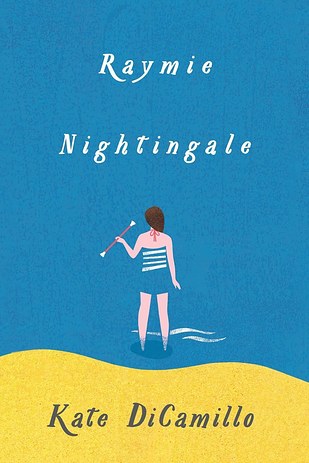
7 Things You Should Know About Kate DiCamillo's New Novel

“I hope that readers laugh. I hope that they think about their souls.”

Candlewick Press

Kate DiCamillo is a two-time Newbery Medal-winning author who has gifted the world with children's stories like The Tale of Despereaux and Because of Winn-Dixie. And now, DiCamillo has written another novel to add to her collection of beautiful stories.

Raymie Nightingale, which will be published this April, is about a 10-year-old from Florida named Raymie who enters a local beauty beauty pageant as an attempt to get her dad to notice her after he left their family for a new life.

BuzzFeed had the chance to catch up with the author over email and learn about Raymie Nightingale. Here's what she had to say:


View Entire List ›